
The most dangerous myth in modern gardening is that hydroponics is “pest-free.” In a sterile, nutrient-rich indoor environment, a single hitchhiking aphid doesn’t just survive—it thrives in a predator-free vacuum.
In my years as a consultant, I’ve seen entire vertical farms decimated because the grower assumed their system was a fortress. Because we are growing in confined indoor spaces—often inches away from where we sleep—harsh chemical pesticides are never an option. We must rely on safe, organic, and highly targeted strategies that protect the plants without compromising the delicate chemistry of your water reservoir.
The Foundation of Prevention
Prevention in hydroponics is about environmental physics. Stagnant air is the primary ally of the spider mite. High-velocity oscillating fans do more than just strengthen stems; they prevent the micro-climates where fungi congregate.
Root Hygiene and Water Temperature
Pests aren’t just leaf-dwellers. Fungus gnats thrive in warm, anaerobic water. To keep your system sterile, I recommend integrated sanitation:
1. Essential Oxygen Hydrogen Peroxide
This clean, 3% food-grade hydrogen peroxide solution acts as a non-toxic natural cleaner and oxidizing agent to keep surfaces, plant sprouts, and equipment hygienic.
Free of the harsh chemical stabilizers found in standard brown bottles, it safely breaks down into water and pure oxygen, making it ideal for hydroponic systems because it sanitizes root zones and plastic components without leaving toxic residues behind.

2. MAXTITE 3% Hydrogen Peroxide
This unscented, one-gallon food-grade hydrogen peroxide solution serves as a natural all-purpose cleaner and oxidizing agent to break down organic impurities and pathogens safely on contact.
Because it degrades entirely into harmless water and oxygen molecules, it is ideal for hydroponic environments where it can thoroughly sanitize system trays and equipment without risking toxic chemical residues or harming delicate root structures.

3. Essential Oxygen Hydrogen Peroxide 8OZ
This 8-ounce food-grade hydrogen peroxide solution serves as a clean, chemical-free sanitizing and oxidizing agent to safely eliminate organic impurities, mold, and pathogens on contact.
Because it degrades entirely into harmless water and oxygen molecules, it is a perfect, residue-free addition to indoor hydroponic setups for quickly sterilizing tools, net cups, and small system surfaces without unbalancing your reservoir’s water chemistry.

Read the Full Comparison: Top 5 Food-Grade Hydrogen Peroxide Solutions for Root Rot Prevention
Identifying Common Hydroponic Pests
Spider Mites: The Invisible Assassins
Look for “stippling”—tiny yellow dots on the leaf surface. In my indoor setup, I rely on these botanicals to break their cycle:
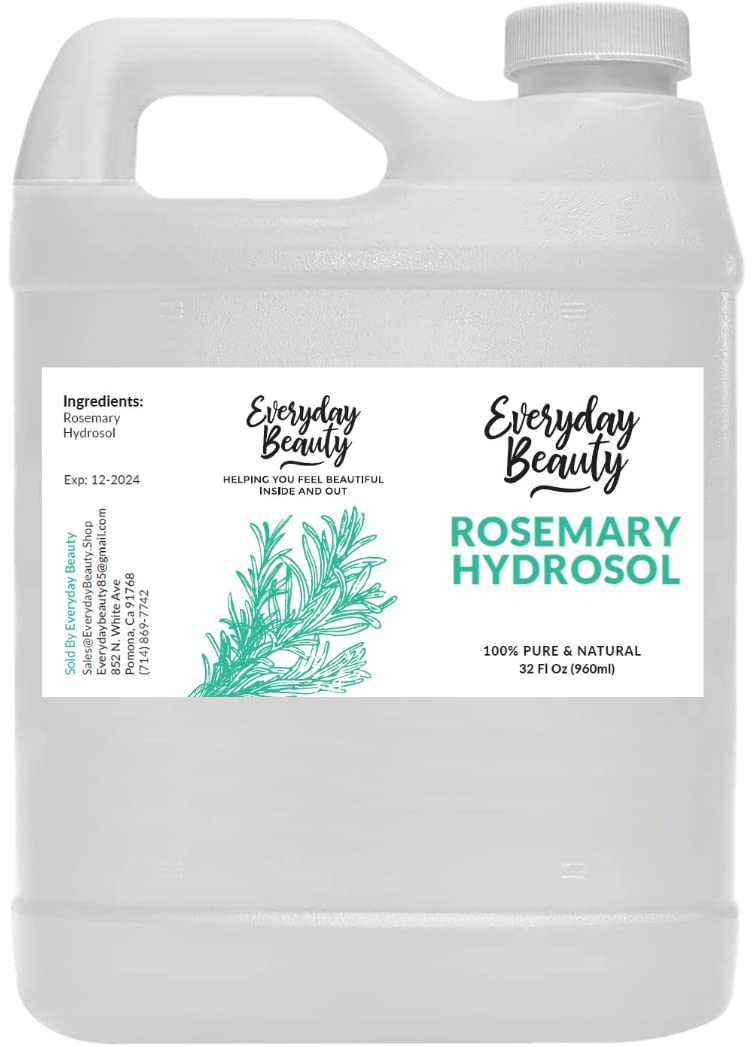
1. Rosemary Hydrosol Bulk 32oz
This 100% pure, chemical-free botanical distillate uses the natural essence of rosemary to act as a gentle yet effective deterrent for soft-bodied pests.
Because it is a completely water-based hydrosol rather than a heavy oil, it flows through high-pressure nozzles without clogging and leaves zero oily residue in your hydroponic reservoir.
2. NATRIA 3-in-1 Insect & Disease Control
This ready-to-use organic formula serves as a powerful triple-threat, eliminating over 70 types of insects while simultaneously controlling fungal diseases like powdery mildew and rust.
The lightweight, non-toxic composition makes it ideal for indoor hydroponic systems where maintaining clean foliage and preventing system-wide outbreaks is essential for edible herbs.

3. Lost Coast Plant Therapy Wash
This highly effective plant restorer utilizes a unique blend of ingredients to suffocate soft-bodied pests and eradicate powdery mildew on contact.
Because it is engineered to be completely evaporative, it leaves no oily film on your foliage or residue in your reservoir, ensuring your hydroponic plumbing remains clog-free and your water chemistry stays balanced.

Read the Full Comparison: Top 5 Natural Spider Mite Killers for Hydroponic Vertical Towers
Fungus Gnats: The Reservoir Invader
To break their life cycle, you must catch the breeding adults near the base of the plant:
1. Maxguard Yellow Stake Traps
These patented stake-shaped traps utilize a professional-grade adhesive and a specific yellow spectrum to attract and capture flying adults before they can deposit eggs.
The dual-sided, toxin-free design is a perfect fit for deep water culture because it offers a physical barrier that works without chemical runoff, ensuring your water-based system remains pristine and completely balanced.

2. Zevo Flying Insect Trap
This plug-in device utilizes targeted blue and UV light technology to continuously attract and capture flying pests on a discreet internal adhesive pad.
Its mess-free, enclosed cartridge system is ideal for indoor growers because it removes wandering gnats from your living space without exposing sticky surfaces or requiring you to handle trapped insects, keeping your environment clean and sanitary.

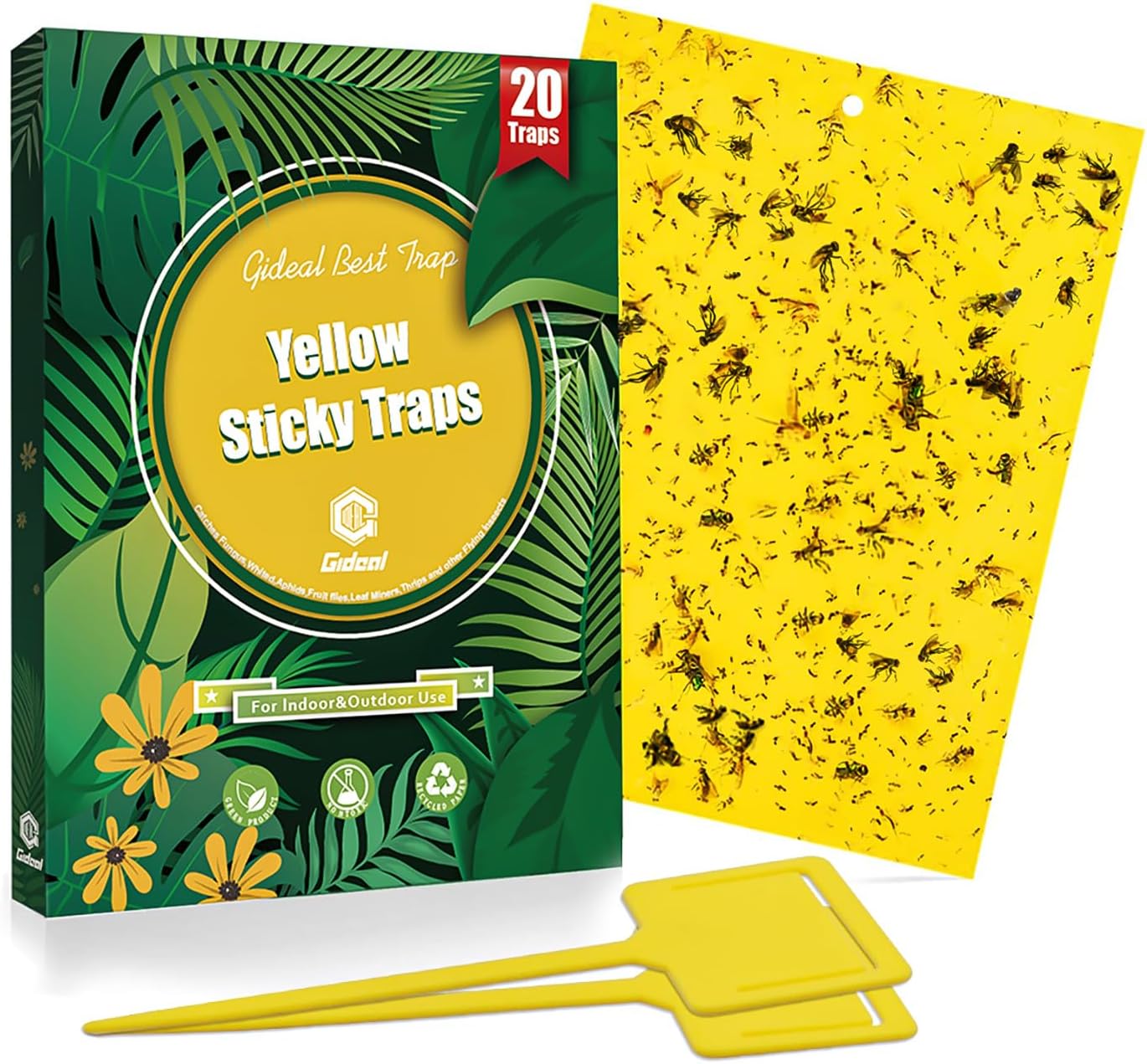
3. Gideal Large Sticky Sheets
These oversized 6×8-inch yellow traps provide a massive landing surface and utilize industrial-strength glue to capture high volumes of fungus gnats, thrips, and whiteflies.
The waterproof and temperature-resistant material is ideal for indoor hydroponics because it maintains maximum tackiness in high-humidity grow tents without dripping or releasing odors, providing a reliable physical barrier that won’t compromise your reservoir’s purity.
Read the Full Comparison: Best Sticky Traps for Fungus Gnat Control in Small Indoor Gardens
Whiteflies: The Fluttering Nuisance
1. Gideal Yellow Sticky Traps
This 20-pack of dual-sided sheets utilizes a pesticide-free, non-toxic adhesive mechanism and a bright yellow color to naturally attract and capture flying pests like fungus gnats, thrips, and whiteflies.
Because they are completely waterproof and chemical-free, you can hang them directly among dense vertical tiers or near net pots without risking any liquid chemical runoff that could contaminate your reservoir water or alter its pH and PPM levels.
2. Stingmon Yellow Sticky Traps
This 54-pack of non-toxic, waterproof sticky sheets uses a highly vibrant yellow color and a strong, UV-resistant adhesive mechanism to lure and permanently capture flying canopy pests like fungus gnats, thrips, and fruit flies.
Because they rely entirely on a physical trapping method rather than synthetic liquid chemicals, they provide a family-safe pest barrier that can be staked directly near rockwool or net cups without changing your reservoir’s water chemistry, pH, or PPM levels.

3. SeaBright Yellow Sticky Traps
This 15-pack of non-toxic, hanging paper traps utilizes a highly effective yellow color and a powerful sticky adhesive mechanism to attract and capture destructive flying pests like thrips, whiteflies, and moths.
Because they rely entirely on a physical trapping action rather than volatile chemicals or liquid sprays, they are completely safe to hang around your reservoir tanks without any risk of polluting your water or unbalancing its pH and PPM levels.

- Product 1: Pheromone-infused traps that lure flies away from your tomato plants.
- Product 2: Durable, waterproof stakes that won’t lose their stick in high humidity.
- Product 3: Discreet, clear-backed traps for aesthetic-focused indoor herb kits.
Read the Full Comparison: Best Non-Toxic Whitefly Traps for Hydroponic Tomato Systems
Organic Treatment Strategies (The Toolkit)
Oil-Based Sprays (Neem and Beyond)
1. Smart Grower Botanical Neem Spray
This ready-to-use plant wash combines cold-pressed neem oil with a specialized blend of essential oils to physically cleanse foliage and disrupt pest habitation.
Its biodegradable, plant-based formula is ideal for indoor hydroponics because it provides a clean, residue-free finish that won’t clog delicate sprayers or interfere with your nutrient reservoir’s chemical balance.

2. The Green Alcove Neem Kit

This kit features 100% pure cold-pressed neem oil concentrate delivered in precise, single-dose sachets to ensure maximum potency without messy measurements.
The pre-measured format is ideal for hydroponic growers because it eliminates over-application risks, protecting your sensitive nutrient solution from oil-slick contamination.
3. Harris Cold Pressed Neem Spray
This ready-to-use gallon features a high 2% concentration of cold-pressed neem oil mixed with an eco-friendly emulsifier to provide professional-grade foliage protection.
The stable, pre-mixed formulation is excellent for large-scale hydroponic setups as it ensures consistent coverage without the risk of clumping that can clog fine-mist automated spray systems.

Read the Full Comparison: Best Organic Neem Oil Sprays for Indoor Hydroponic Herbs
Botanical Extracts: The Pyrethrin Powerhouse
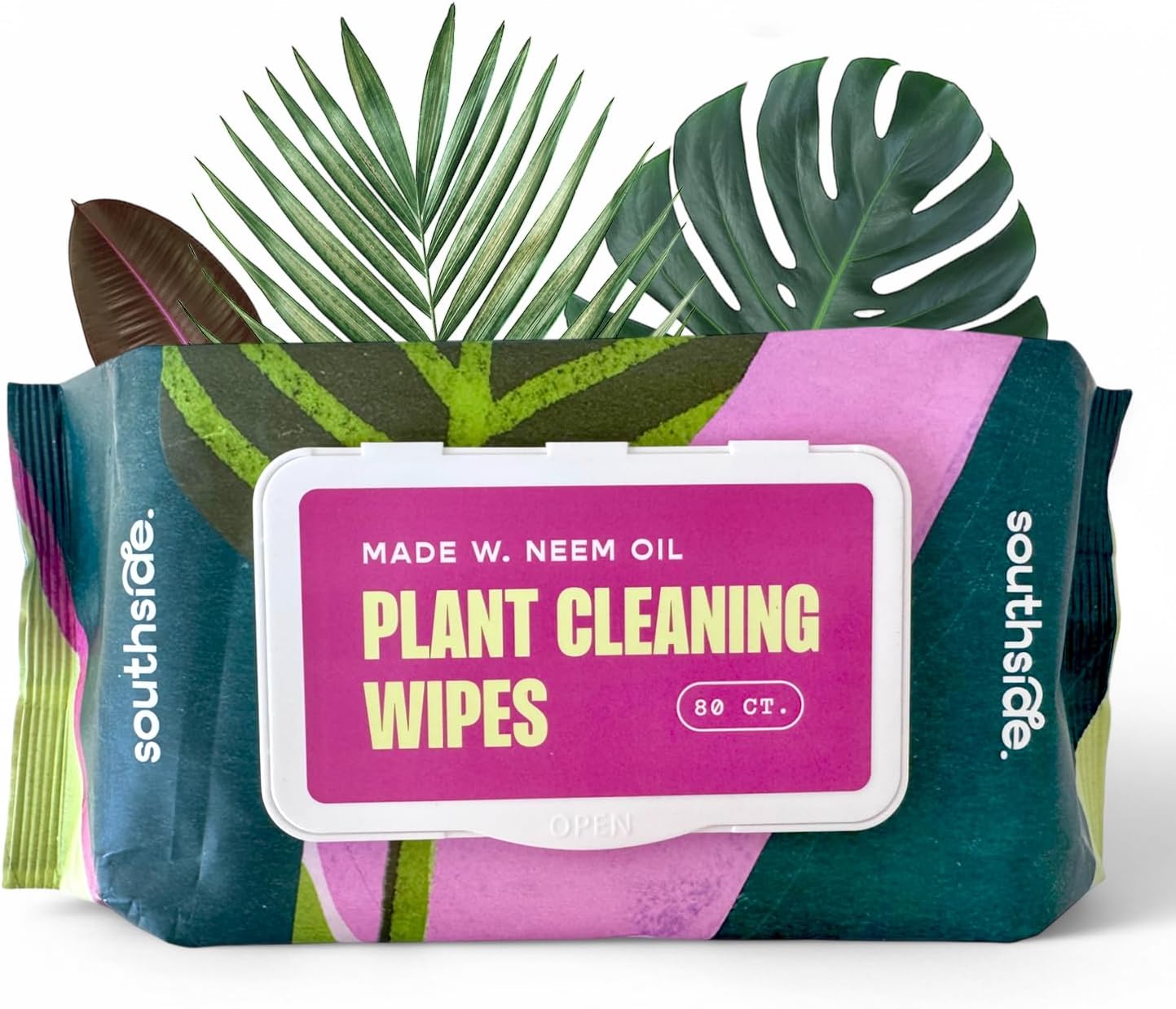
1. Southside Plants Leaf Wipes
These extra-thick, waffle-weave wipes utilize a plant-based formula of glycerin, neem, and cinnamon oil to physically lift dust and mineral buildup from foliage.
They are ideal for hydroponic systems because they provide a targeted clean that improves photosynthesis without the risk of over-spray or oil-slick contamination in your nutrient reservoir.
2. Green Alcove Neem Concentrate Kit
This high-yield concentrate uses pure neem oil and aromatic essential oils to eliminate aphids, spider mites, and mealybugs on contact.
The refillable system is a major advantage for hydroponic growers, as the customizable mixing allows for precise application that keeps leaf surfaces clean and functional without compromising reservoir sterility.

3. Celestial Psyché Organic Neem Oil
This 100% pure, USDA-certified organic cold-pressed oil serves as a potent botanical concentrate that naturally disrupts pest lifecycles when emulsified into a spray.
It is an excellent choice for hydroponics because it contains zero synthetic additives or “fragrance nasties,” ensuring your sensitive system remains free from chemical stabilizers that can alter water pH.

Read the Full Comparison: Top 5 Liquid Pyrethrin Solutions for Deep Water Culture (DWC) Systems
Insecticidal Soaps: The Physical Kill
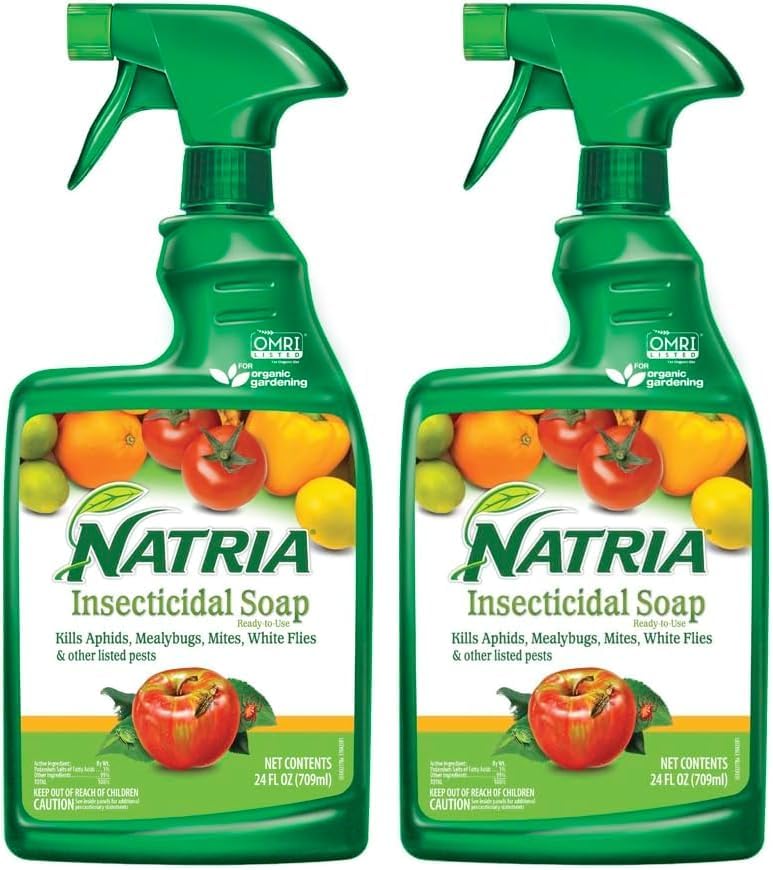
1. NATRIA Insecticidal Soap Pack
This ready-to-use bug treatment utilizes potassium salts of fatty acids to instantly break down and kill soft-bodied pests like mites, aphids, and whiteflies on contact. Because it degrades rapidly without leaving greasy chemical residues, it is completely safe for indoor hydroponic environments and won’t disrupt your reservoir’s delicate pH and PPM balances.
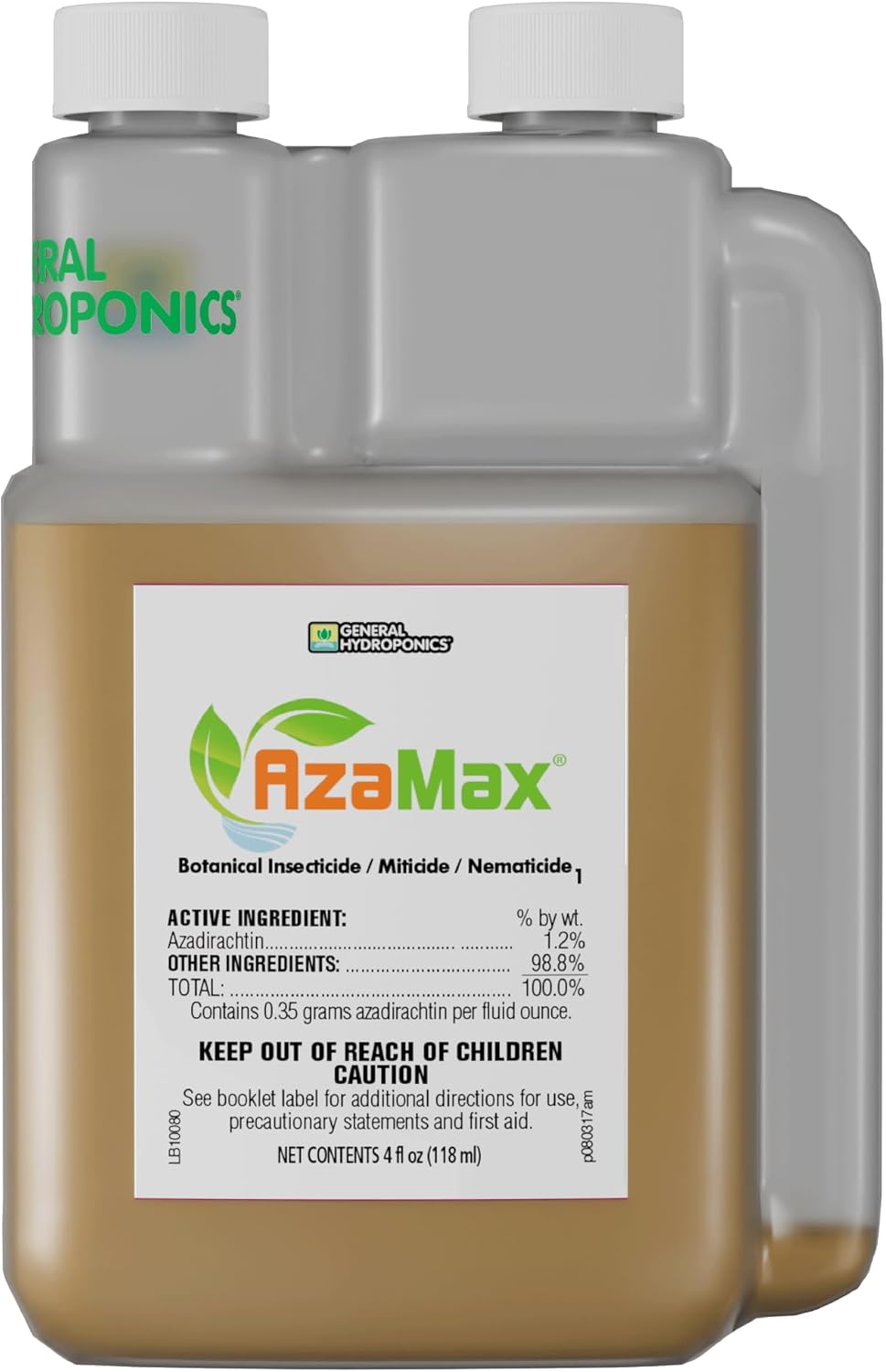
2. General Hydroponics AzaMax
This broad-spectrum natural pest control product harnesses Azadirachtin A & B along with over 100 limonoids to disrupt the growth and feeding cycles of destructive insects. Engineered using entirely food-grade ingredients instead of harsh chemical solvents, it integrates seamlessly into indoor hydroponic systems without clogging drip lines or leaving toxic chemical residues on your clean-rinsing crops.
3. Dr. Squatch Natural Bar Soap
This premium men’s body soap is crafted using a traditional cold process and features skin-nourishing natural ingredients like coconut oil, shea butter, and kaolin clay.
Please note that this is a personal grooming product for humans and is not formulated or safe for plant pest control, meaning it should never be introduced into a hydroponic environment where its heavy oils and clays would instantly clog water lines and suffocate delicate root zones.

Read the Full Comparison: Best pH-Balanced Insecticidal Soaps for Hydroponic Lettuce and Greens
Advanced Bio-Controls & Tech
Beneficial Organisms
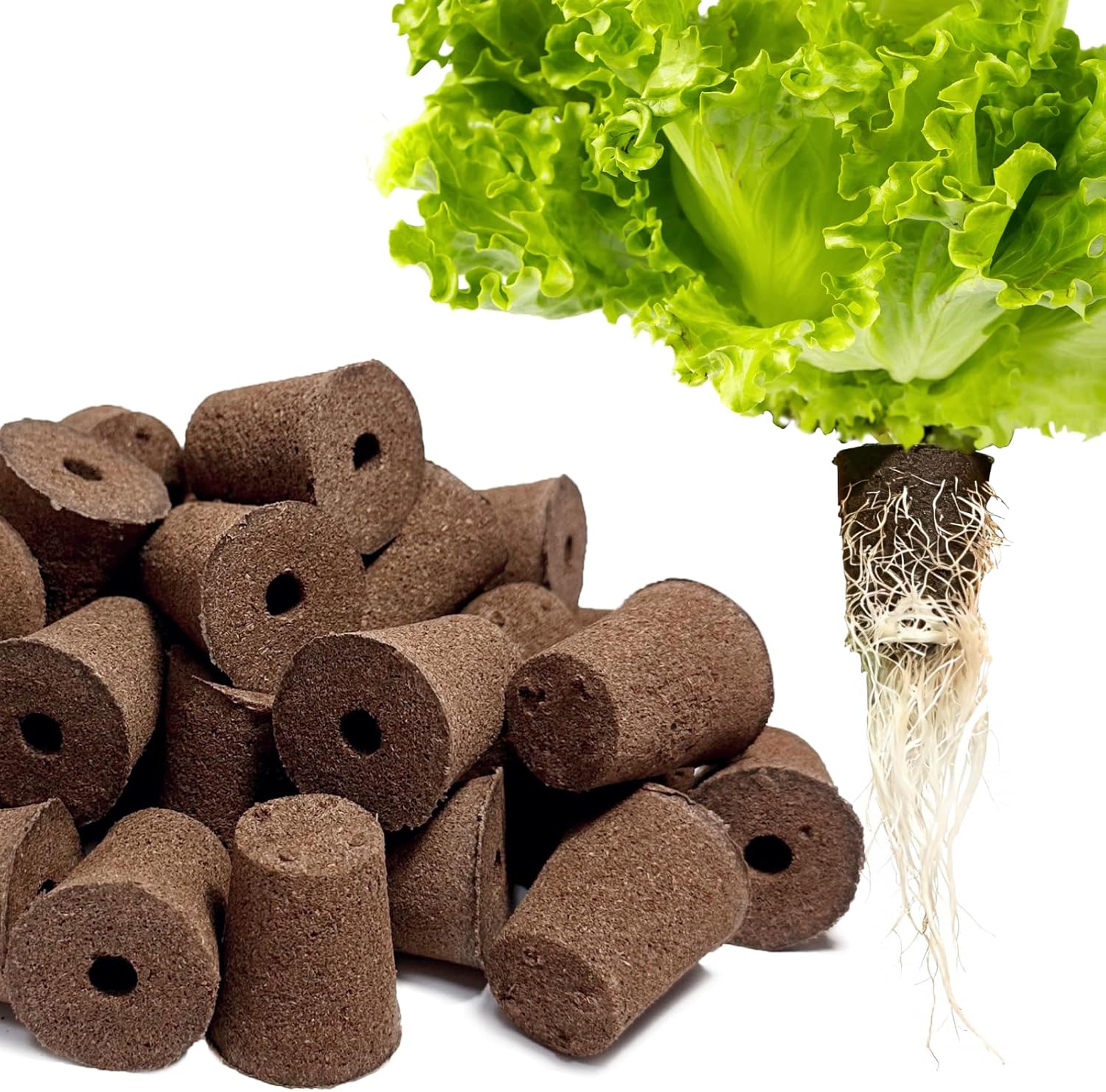
1. Universal Hydroponic Growing Sponges
This premium 50-pack of seed pods is crafted from a hygienic blend of renewable sphagnum peat and coconut coir to provide an optimal, pre-formed moisture-retaining medium for rapid seed germination and cloning.
Engineered for a universal fit across major indoor systems and traditional towers, these breathable plugs minimize root shock during transplanting and won’t disintegrate or introduce loose sediment into your delicate hydroponic reservoirs and water lines.
2. SUNCOZE Smart Hydroponics Kit
This 12-pod indoor gardening system features a dimmable 36W full-spectrum LED grow light, an intelligent control panel with automated cycling, and a low-noise water circulation pump to optimize oxygen delivery for rapidly growing roots.
The innovative split-tank design allows you to detach the opaque 5L reservoir completely, making routine cleaning, refilling, and water monitoring effortless without disrupting your delicate nutrient solutions or your plants’ root architecture.

3. Boromine Black Sticky Traps
This 100-pack of double-sided, UV-resistant sticky sheets utilizes a completely non-toxic, chemical-free adhesive mechanism to safely capture and break the breeding cycles of flying pests like fungus gnats and fruit flies.
Because they contain zero liquid pesticides or odor-causing chemicals, they can be deployed directly near your grow plugs or support structures without risking runoff into the nutrient reservoir or altering your water’s pH and PPM balances.

Read the Full Comparison: Top 5 Beneficial Nematode Kits for Indoor Hydroponic Soil-less Media
Electronic Prevention
1. CKCOEO Ultrasonic Pest Repeller
This six-pack of electronic plug-in devices utilizes an advanced multi-frequency ultrasonic conversion system ranging from 10kHz to 65kHz to irritate and disrupt the nervous systems of rodents and insects.
Because it relies entirely on sound wave frequencies rather than liquid sprays, chemical powders, or volatile toxins, it provides a 100% residue-free pest barrier that can be safely operated inside indoor grow tents without altering reservoir pH, spiking PPM levels, or leaving chemical film on your clean hydroponic crops.

2. Ever Pest Ultrasonic Repeller
This two-pack of electronic plug-in devices utilizes advanced ultrasonic and electromagnetic technology to emit powerful sound wave frequencies that drive away crawling and flying pests.
Because it relies entirely on a sound-based defense mechanism rather than chemical sprays or toxic powders, it is completely safe for indoor hydroponic setups since it cannot contaminate your water reservoir, leave residues on your canopy, or alter delicate nutrient pH and PPM levels.

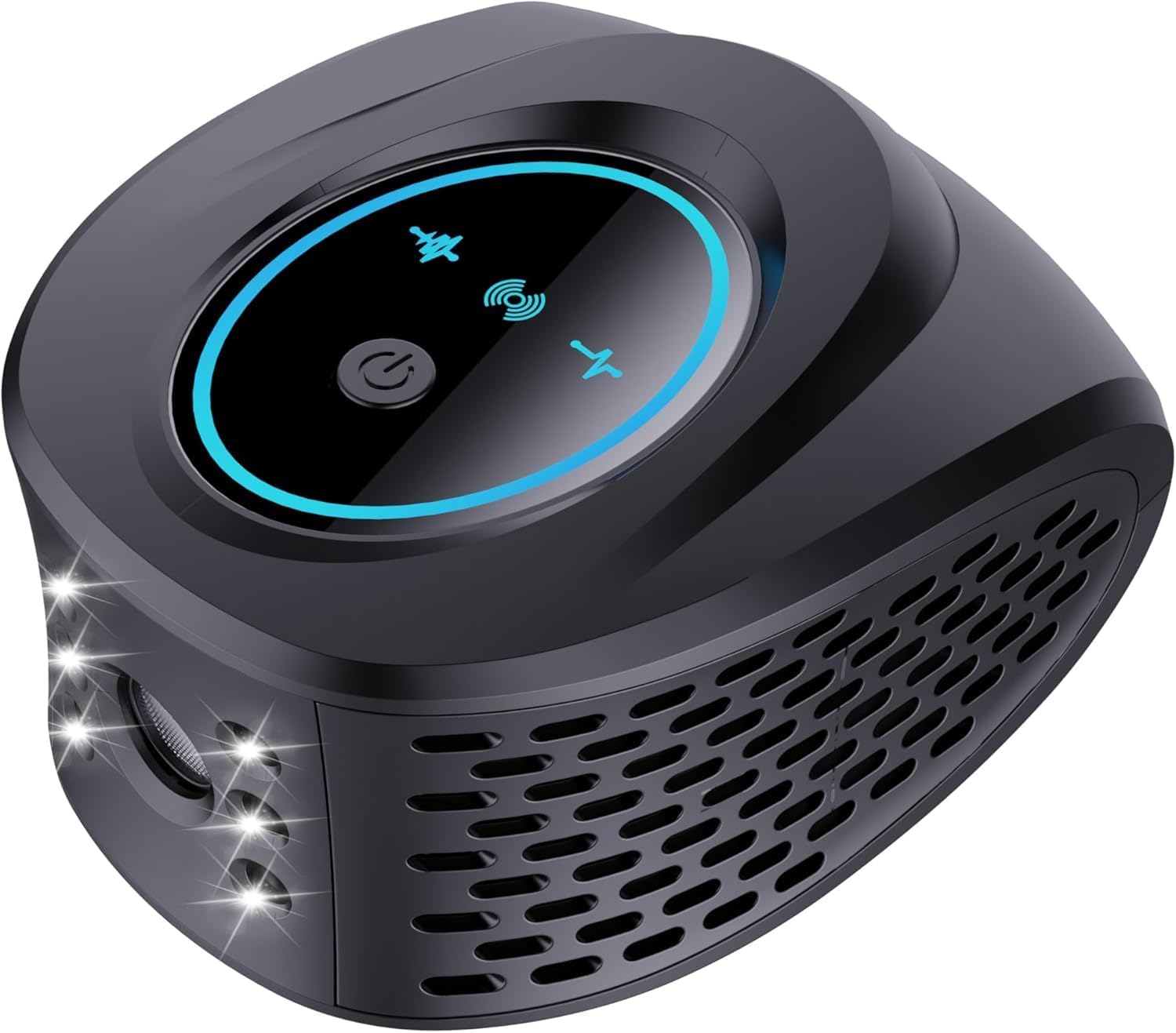
3. Yewrrite 360° Ultrasonic Repeller
This plug-in pest defense device utilizes a combination of 25kHz–65kHz ultrasonic waves, variable pressure waves, and an LED strobe light mechanism to actively disrupt the nervous systems of rodents and insects.
Because it relies entirely on electronic frequencies rather than chemical sprays, powders, or liquid toxins, it offers an exceptionally clean barrier that can be run 24/7 in indoor grow rooms without any risk of polluting your water reservoir, unbalancing nutrient pH, or leaving sticky residues on your plants.
Read the Full Comparison: Top 5 Ultrasonic Pest Repellers for Indoor Grow Tent Protection
Disease Management
1. General Hydroponics AzaMax
This natural, broad-spectrum pest control formula harnesses Azadirachtin A & B alongside more than 100 limonoids to effectively disrupt the growth and feeding cycles of destructive insects.
Formulated entirely with food-grade ingredients instead of harsh chemical solvents, it integrates cleanly into indoor hydroponic systems without clogging lines, leaving sticky residues, or unbalancing your reservoir’s delicate chemistry.
2. Microbe Life pH Control Kit
This premium liquid kit utilizes two buffered pH adjusters and three essential electrolytes formulated with deionized, UV-sterilized water to safely lower solution acidity and maintain osmotic balance.
Highly compatible with all hydroponic, NFT, DWC, and aeroponic setups, this system-safe formula delivers exceptional reservoir stability without introducing contaminants, clogging your drip lines, or disrupting your plant nutrient programs.

3. Microbe Life pH Down Liquid
This premium liquid agent combines two buffered pH adjusters and three electrolytes in UV-sterilized, deionized water to safely lower solution acidity while maintaining optimal plant osmotic balance.
Engineered for flawless reservoir compatibility across DWC, NFT, and aeroponic setups, it provides long-lasting water stability without clogging your lines or altering your existing nutrient feeding programs.

Read the Full Comparison: Best Safe Powdery Mildew Sprays for Hydroponic Strawberry Kits
Expert FAQ: Hydroponic Pest Troubleshooting
Will organic sprays shift my reservoir pH?
If you cover your net pots during spraying, the impact is zero. However, heavy runoff into a recirculating system can cause a slight acidic dip. Always check your pH 2-3 hours after a major foliar treatment.
Can I mix different organic pesticides in one sprayer?
I don’t recommend it. “Tank mixing” different oils and soaps often leads to a thick sludge that clogs your misters and suffocates leaf pores. Apply different treatments at least 48 hours apart.
Why did my leaves “burn” after using a “safe” organic spray?
This is usually phytotoxicity. Water and oil droplets act like magnifying glasses under high-intensity LEDs. To prevent this, only spray 15–20 minutes before your “lights-off” cycle so the plants dry in the dark.
Is it safe to use these products during the flowering stage?
Most are OMRI-listed for use up to harvest, but heavy oils (like Neem) can leave a bitter taste on dense buds or herbs. For late-stage infestations, stick to “cleaner” evaporates like Food-Grade H2O2 or citric-acid sprays.
How often should I repeat the treatment?
One spray is never enough. Most pests have a 7–10 day egg cycle. To win, you must spray every 3 to 4 days for a total of three treatments to kill the “second generation” as they hatch.
Do electronic ultrasonic repellers actually kill bugs?
No. They are a passive shield, not a kill solution. They emit frequencies that make the environment uncomfortable for invading pests, encouraging them to move on rather than settle and breed.
Can beneficial nematodes survive in a Deep Water Culture (DWC) system?
Nematodes need a substrate like Rockwool, Coco Coir, or Clay Pebbles to move through. They are significantly less effective in “bare root” systems like NFT or Aeroponics where they have nothing to latch onto.
Will these sprays kill my “Good Bugs” (Ladybugs/Lacewings)?
Yes. Organic “knockdown” sprays like Pyrethrin are non-selective. If you plan to release beneficial insects, you must stop all botanical spraying at least 5–7 days prior to their arrival.
Can I use these treatments in my cloning machine?
I recommend sticking to Food-Grade H2O2 for clones. Young cuttings are very sensitive; heavy oils can coat their stems and prevent them from forming the “callus” necessary for root development.
How do I know if my pest problem is actually a nutrient deficiency?
Pest damage is usually random and localized (stippling, holes, or webs). Nutrient deficiencies are usually symmetrical and affect the entire plant or specific “old” vs “new” growth. Use a jeweler’s loupe to confirm bugs before treating.
Conclusion
Hydroponic success isn’t about having a “perfect” system—it’s about having a proactive one. Remember, consistency is your most powerful pesticide. Keep your environment clean, monitor your plants daily, and act fast at the first sign of trouble.