
There is nothing quite as soul-crushing as walking into your pristine, soil-less grow room only to find tiny, translucent webs shimmering across your vertical tower. You chose hydroponics to avoid the “dirt and bugs,” yet here they are. In a vertical system, spider mites can travel from base to crown in hours, and choosing the wrong remedy can be a disaster.
If you use a thick, oil-heavy pesticide, you risk clogging your emitters or creating a toxic “oil slick” in your reservoir that chokes out your roots. For indoor growers, we need a solution that is effective enough to stop an infestation but light enough to keep our water-based systems running clean.
Our Selection Criteria
I’ve vetted these products specifically for the unique environment of a vertical hydroponic tower. We chose them based on:
- System Safety: They must be water-soluble or “evaporative” so they don’t gunk up pumps or air stones.
- Organic Profile: Non-toxic solutions that are safe for kitchen herbs and leafy greens.
- Contact Kill Power: High-speed effectiveness to stop the rapid spread through a vertical canopy.
The Top 5 Natural Defenders
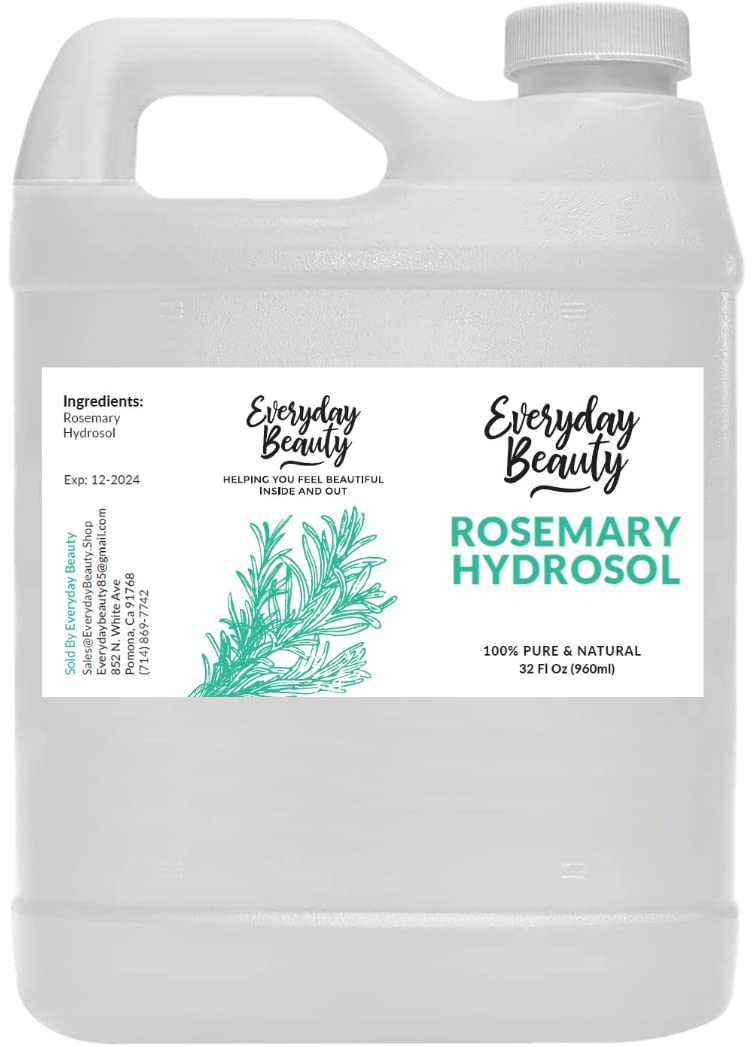
1. Rosemary Hydrosol Bulk 32oz: The Clog-Free Botanical Defense for High-Pressure Towers
If you’ve ever had a vertical tower’s misting nozzle seize up because of a thick, oily pesticide, you’ll appreciate why a water-based distillate is such a win for hydroponics. Dealing with spider mites in a tight indoor space requires a solution that kills the bugs without creating a secondary plumbing disaster.
What caught my eye about this Rosemary Hydrosol is that it is a pure plant water, not an oil. It carries the natural spicy and herbal notes that spider mites hate, but it flows through aeroponic lines and fine-mist nozzles as easily as plain water. In my setup, the real-world advantage is the air quality; it smells like a fresh herb garden rather than a laboratory, making it a dream for growers who have their systems in living areas.
A specific pro that I love is the 32-ounce bulk size. It provides an incredible supply that lasts for months, even if you are misting a high-capacity tower daily to keep the leaves clean and hydrated.
The Verdict: For growers who prioritize a clean, fragrance-led defense, this bulk hydrosol is a steal. It offers a professional-level, non-clogging solution that keeps your tower hardware as healthy as your plants.
Read More: Best Safe Powdery Mildew Sprays for Hydroponic Strawberry Kits
2. NATRIA Rose and Flower Control: The Multi-Action Shield for Tower Herbs
Finding a sudden mite breakout in a kitchen hydroponic unit is a delicate balance. You need something tough on bugs but safe enough to have near your dinner. What caught my eye about NATRIA Rose and Flower Control is its versatility; it’s a 3-in-1 formula that handles mites, insects, and common fungal issues like powdery mildew simultaneously.
In my setup, the real-world advantage is the “Ready-to-Use” simplicity. When you’re managing a vertical tower, you don’t always want to break out the measuring cups and mixing buckets for a small flare-up. You can just grab this 24oz sprayer and treat specific “hot spots” in seconds. A specific pro that I’ve noticed is how well it coats the underside of leaves—the exact place where spider mites love to hide and breed.
While it’s powerful enough for outdoor roses, it remains gentle enough for the edible herbs and vegetables growing in your indoor system.

The Verdict: If you want a reliable, grab-and-go organic spray that solves three problems at once without a complicated setup, this is a fantastic “first-responder” tool for your vertical garden.
Read More: Best pH-Balanced Insecticidal Soaps for Hydroponic Lettuce and Greens
3. Lost Coast Plant Therapy: The Evaporative No-Residue Tower Wash
Finding a shimmering web of spider mites in a vertical tower is a total nightmare, mainly because most oily cures will eventually gunk up your expensive high-pressure nozzles. In my setup, I prioritize keeping the plumbing as clean as the foliage, which is why Lost Coast Plant Therapy is a staple.
What caught my eye is that it’s specifically engineered to be “evaporative.” It uses a blend of soy oil and peppermint to suffocate pests on contact, but then it completely disappears from the leaf surface within hours. The real-world advantage is the peace of mind regarding your reservoir; because it breaks down so cleanly, you don’t have to worry about an oily film clogging your pump filters or messing with your water’s oxygen levels.
A specific pro that I’ve grown to love is how concentrated it is. Even though the 9oz bottle looks small, you only need a tiny amount per gallon, so it actually lasts through several growing cycles.

Verdict: If you are running a high-end vertical system and need a professional-grade “heavy-hitter” that leaves absolutely zero mess behind, this is a top-tier investment.
4. Botanical Tradesman Neem Oil: The High-Potency DIY Concentrate for Custom Care
When you’re managing a high-capacity vertical tower, sometimes a diluted, pre-mixed spray just doesn’t have the “punch” you need for a stubborn mite outbreak. In my setup, I prefer having full control over the concentration of my treatments, which is why this 100% pure, cold-pressed Botanical Tradesman Neem Oil is a permanent fixture on my supply shelf.
What caught my eye is the “minimally processed” quality. Because it’s cold-pressed, it retains the natural, potent characteristics that effectively shut down the breeding cycle of mites and fungus gnats. The real-world advantage is the DIY flexibility. You aren’t paying for water; you’re getting a single-ingredient concentrate that you can mix with a bit of mild soap to create a fresh, high-strength batch whenever you need it.
One specific pro I appreciate is how it addresses systemic issues. I’ve found that using this as a fresh mix helps it penetrate the bark and stems of woodier herbs much better than shelf-stable alternatives.

The Verdict: For the experienced grower who wants a straightforward, powerful, and plant-derived solution without the fluff, this 100ml concentrate is an essential, cost-effective tool for long-term garden defense.
5. Neem Oil and Peppermint Spray: The Fresh-Scented Dual Action Shield
If you’ve ever dealt with a “hitchhiker” pest infestation that follows your pets or kids into the grow room, you know that keeping a safe, non-toxic environment is priority number one. In my setup, I’m always looking for a solution that hits the mites hard without making my living space smell like a chemical factory.
What caught my eye about this Neem and Peppermint Spray is the inclusion of peppermint oil. While the neem works on the long-term breeding cycle, the peppermint provides an immediate “knockdown” punch that mites and fungus gnats hate. The real-world advantage is the smell; instead of that heavy, garlicky scent typical of pure neem, this leaves your grow area smelling like a fresh herb garden.
A specific pro that I’ve appreciated is how a little bit goes a long way. Even with a high-density vertical tower, a thorough coating on the tops and bottoms of the leaves yields noticeable results within just a few days.

Verdict: For indoor growers with families or pets, this is a must-have. It’s an effective, pre-mixed botanical spray that restores your peace of mind while keeping your plants vibrant and bug-free.
The Buying Guide: What to Look For
Before you click “buy,” check these three critical factors to save your system from a headache:
- Emulsification (Ease of Mixing): If a product doesn’t mix easily with water, it will separate and float on top of your reservoir. Look for “water-soluble” or “emulsified” labels to ensure it reaches every level of your tower equally.
- Concentration Levels: Some products are “Ready-to-Use” (RTU), while others are concentrates. For vertical towers, concentrates are usually better because you can adjust the “strength” depending on if you are doing a preventative spray or a full-blown emergency treatment.
- pH Stability: Some natural oils or citric-acid-based killers can cause your reservoir pH to swing wildly if they drip back into the system. Always check your pH 24 hours after a heavy application.
Expert Tip for Application
The “Lights Out” Rule: Always apply your natural miticides just before your grow lights turn off. Spraying while the lights are at full intensity can cause the droplets to act like tiny magnifying glasses, leading to “leaf burn.” Applying at “dusk” gives the product more time to stay wet and work its magic before evaporating, which significantly increases the kill rate.
FAQs (High-Value)
- Will these products affect my water PPM? If you are careful to spray only the foliage, the impact is minimal. However, if a lot of the solution drips into the reservoir, you might see a slight rise in PPM. It’s usually worth it to trade a small nutrient spike for a mite-free garden.
- Is it safe for pets in the house? Since we’ve focused on “natural” and 25(b) minimum-risk products, they are safe for homes with pets once the spray has dried. Just keep the cat out of the room while you are actively misting.
- Do I need to rinse my plants before harvest? Even with natural products, I recommend a plain water mist 24-48 hours before you harvest your herbs to ensure no lingering botanical scents (like rosemary or peppermint) affect the flavor of your food.
- Can I put these directly into my reservoir? Most are meant for foliar application (spraying the leaves). Adding them directly to the reservoir can interfere with root oxygen uptake unless the label specifically states it is safe as a “root drench.”
Conclusion
Consistency and early detection are key to a pest-free indoor garden; if you wait until you see heavy webbing, you’re already fighting an uphill battle. If you want to master the art of keeping your tent a “no-fly zone” year-round, be sure to read our full resource on safe & organic indoor hydroponic pest control.