
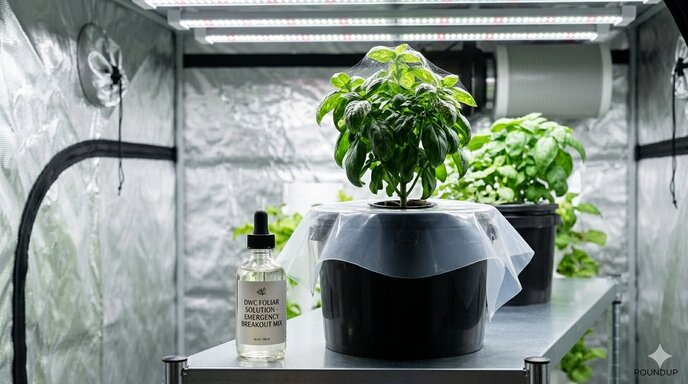
Walking into your indoor grow room to find your vibrant, deep-water culture (DWC) lettuce or basil suddenly showing pale spots or wilting is a punch to the gut. In soil, a pest problem moves at a walking pace; in a DWC system, it travels at highway speeds. Because your plants are pushing out explosive growth fueled by a highly optimized nutrient reservoir, they lack the woody toughness of outdoor crops. Spider mites can drain a pristine canopy in days, and an unchecked infestation will systematically ruin your hard work. When you’re dealing with a true emergency, you have zero time to waste before these pests completely take over.
The most critical mistake I see growers make during an emergency is panicking and spraying heavy, oil-based chemical pesticides that drip straight into their net pots. In a water-culture system, oily runoff forms a suffocating slick on the water surface, coating your air stones and killing off beneficial root microbes. Instead, you need a fast-acting, clean solution. To halt the breakout instantly without destroying your water chemistry, I highly recommend checking out our comprehensive guide on the best Liquid Pyrethrin Solutions for Deep Water Culture (DWC) Systems, which destroy pests on contact and break down completely clean without leaving a toxic sludge behind in your buckets.
Why Spider Mites Explode in Indoor DWC Systems
In an indoor tent, we intentionally create a perfect paradise for plants: consistent warmth, high humidity, and stable airflow. Unfortunately, this is the exact environment where spider mites thrive.
Without natural predators like ladybugs or predatory mites to keep them in check, a single female mite can lay hundreds of eggs in a single week. Furthermore, many growers accidentally introduce these microscopic hitchhikers into their sterile rooms via contaminated clones brought in from outside, or even on their own clothing after walking through an outdoor garden. In a DWC setup, the lush, nitrogen-rich canopy acts like an all-you-can-eat buffet, causing a tiny population to explode into a full-blown crisis before you even realize they are there.
Read More: Systemic vs. Contact Organic Pesticides: Which is Safer for Hydroponic Reservoirs?
Step-by-Step Identification: Where to Look
Spider mites are incredibly small, often looking like nothing more than tiny dust specks until they start moving. To spot them early, grab a magnifying glass or a jeweler’s loupe and check these specific areas:
- Yellow Stippling on Leaves: Look closely at the top of your upper leaves. If you see tiny, pale yellow or white dots, it means mites are actively piercing the plant cells to suck out the chlorophyll.
- Fine Webbing in the “Crotches”: Check the junctions where the leaf stems meet the main stalk. Fine, silk-like webbing is a definitive sign that the infestation is already advanced.
- Undersides of Lower Foliage: Mites hate bright light and high fan drafts. They hide and lay their translucent, microscopic eggs underneath the largest, oldest leaves.
- Debris on the Reservoir Lid: Shake a branch gently over your black DWC lid. If the “dust” that falls onto the lid starts crawling, you have an active colony.
The 3-Step Emergency Organic Treatment Plan
To crush an active breakout without triggering a massive pH crash or suffocating your delicate bare roots, follow this strict, reservoir-safe routine:
Step 1: The Reservoir Shield
Before you open any spray bottle, you must completely cover your DWC net pots and reservoir lids. Cut a slit into a piece of plastic wrap or a clean trash bag and slide it snugly around the base of the plant stem. This creates a physical barrier that guarantees zero spray runoff seeps down into your clay pebbles or directly into your nutrient water.
Step 2: The Targeted Contact Knockdown
Mix a fresh batch of your chosen organic contact killer using lukewarm water. Spray your plants thoroughly, focusing 90% of your effort on spraying upward from beneath the leaves to drench the hidden colonies. Shake your spray bottle frequently to keep the formula mixed, and spray until the foliage is wet but not heavily dripping.
Step 3: The Dark-Window Strategy
Always apply your treatment right after your grow lights turn off for the night. Spraying while your high-intensity LEDs are running full blast will turn the liquid droplets into magnifying glasses, causing severe leaf burn and spotting. Applying at night gives the organic formula a long, cool window to suffocate the bugs before evaporating away completely clean.
Pro Habits to Keep Your Tent a No-Fly Zone
Once you clear the emergency, implement these simple preventive habits to ensure the mites never make a comeback:
- Filter Your Air Intake: Install a fine-mesh insect screen or a HEPA filter over your grow room’s intake fan to stop flying pests from being sucked into your tent from the outside world.
- Hang Yellow Sticky Traps: Position yellow adhesive cards right at the base of your DWC system. These won’t cure an infestation, but they act as an invaluable early warning system by catching adult pests before they can breed.
- Sanitize Tools Religiously: Wipe down your pruning shears with 70% isopropyl alcohol every single time you move between different plants to avoid cross-contamination.
- The Outfit Change: Never walk straight from an outdoor garden, backyard, or local nursery directly into your indoor DWC room. Change your clothes and wash your hands first.
Frequently Asked Questions
Will spraying my DWC plants change my water pH?
If you protect your reservoir during application, your pH will remain completely stable. However, if organic sprays accidentally drip into your DWC water, they can rot, causing a massive bacterial bloom that will tank your pH overnight and starve your roots of oxygen.
Can I mix pyrethrin or neem directly into the DWC reservoir water?
No, never add foliar pesticides directly to a DWC reservoir. Doing so will coat the bare root hairs in an impenetrable film, completely blocking their ability to absorb oxygen and vital nutrients, which essentially suffocates the plant from the bottom up.
How often should I repeat the emergency spray treatment?
You must spray your plants once every three days for at least two consecutive weeks. A single spray only kills the living adults; repeating the schedule ensures you catch the new larvae as they hatch from eggs that the initial treatment missed.
Conclusion
Managing a pest breakout in deep water culture requires a bit more finesse than a traditional soil garden, but it is entirely manageable when you protect your root zone. Keep your reservoir shielded, choose fast-acting contact remedies, and stay consistent with your spray schedule.
Expert Tip: If you ever notice a stray oil film accidentally floating on top of your DWC water after spraying, do not panic and do not add chemicals to dissolve it. Take a few clean, dry paper towels and gently lay them flat across the surface of the water. The oily residue will instantly cling to the paper fibers, allowing you to skim the mess out cleanly before it can coat your air stones.