
Choosing the right spray is critical because your plants are essentially “breathing” the same air you are. More importantly, in a hydroponic setup, anything you spray can easily drip into your nutrient reservoir. If you use a heavy, non-soluble oil, it won’t just sit on the leaves—it will coat your roots, clog your pumps, and starve your system of oxygen. We need solutions that are water-soluble and reservoir-safe to keep the garden running smoothly.
Our Selection Criteria
I didn’t just pick these based on pretty labels. I’ve vetted these products based on three non-negotiable factors for the indoor grower:
- Pest Lethality: It has to actually stop the life cycle of mites, aphids, and fungus gnats.
- Hydro-Compatibility: The formula must emulsify (mix) perfectly with water so it doesn’t leave an oily “slick” in your grow tray.
- Home Safety: Since these are indoor herbs, the ingredients must be non-toxic and low-odor for your living space.
The Top 5 Organic Neem Solutions
1. Smart Grower Botanical Blend: The No-Mess Solution for Glossy Herbs
Dealing with pests in a tight indoor hydroponic tent is a nightmare, especially when you’re worried about oily residues messing up your water chemistry.
What caught my eye about the Smart Grower Botanical Blend is that it isn’t just a standard neem spray; it’s a sophisticated plant wash infused with essential oils like peppermint and cedarwood.
In my setup, the real-world advantage is the “ready-to-use” convenience. There’s no measuring or emulsifying required—you just shake the 8-ounce bottle and go.
The fine particles do a great job of cleaning dust and grime off leaves while leaving behind a natural shine that makes your basil and mint look incredible. Since it’s biodegradable and plant-based, I don’t lose sleep over harsh chemicals near my nutrient reservoir.

The Verdict: If you want a small-batch, professional-grade spray that keeps your herbs looking vibrant without the “garlicky” smell of pure neem, this is a fantastic investment for your indoor garden shelf.
Read More: Top 5 Liquid Pyrethrin Solutions for Deep Water Culture (DWC) Systems
2. The Green Alcove Kit: Fresh Neem Without the Messy Cleanup
If you’ve ever opened a half-used bottle of neem oil only to find it’s gone rancid and chunky, you know why fresh is best. What caught my eye about The Green Alcove Kit is how it solves the waste problem using easy-tear sachets.
Instead of wrestling with a giant, oily jug, you just drop a single concentrate sachet into the included amber bottle, add water, and you’re set.
In my setup, the real-world advantage is the high-quality sprayer. It actually lets you switch between a fine mist for broad leaf coverage and a direct stream for hitting those hidden stems where pests love to hide.
Since neem has a short shelf life once mixed, these 16-ounce batches ensure you’re always using a potent, 100% cold-pressed solution. The amber PET bottle also looks great on a shelf, which is a nice bonus for indoor growers.

The Verdict: This is a top-tier choice for hydroponic hobbyists who want the power of pure neem without the sticky hands or the guilt of pouring expired oil down the drain.
3. Harris Cold Pressed Neem: Bulk Protection for Large Hydroponic Gardens
When you’re managing a larger hydroponic setup or a multi-shelf herb garden, those tiny 8-ounce spray bottles just don’t cut it. What caught my eye about this Harris gallon jug is that it’s a rare find: a ready-to-use spray that actually uses cold-pressed oil.
Usually, “ready-to-use” means heavily processed, but this maintains a solid 2% concentration of the good stuff.
In my setup, the real-world advantage is the consistency. Because Harris uses a professional-grade emulsifier, the oil stays suspended in the water instead of separating and floating on top. This means every spray is just as effective as the first.
I’ve noticed it leaves a really healthy luster on broader leaves, like kale or large basil, without that heavy, suffocating grease you get from DIY mixes. Plus, having a full gallon on hand means I never skip a treatment day just because I’m low on supplies.

The Verdict: If you have more than just a couple of pots to protect, this 128-ounce jug is the most cost-effective way to keep high-quality, cold-pressed neem in your pest-fighting arsenal.
4. The Green Alcove Concentrate: High-Volume Protection with a Fresh Scent
One of the biggest complaints about using neem oil indoors is the lingering “cabbage-like” smell that can take over a room. What caught my eye about this Green Alcove Concentrate is that it actually doubles as an aromatic leaf wash.
It’s formulated to be mixed with water in the included spray bottle, making a staggering 480 ounces of solution from a compact container.
In my setup, the real-world advantage is how it handles persistent issues like fungus gnats. While sticky traps only catch the adults, a consistent spray schedule with this blend tackles the problem at the source.
The essential oil infusion makes the spray smell more like a high-end air freshener than a gardening treatment, which is a huge plus when you’re working in a living area. The bottle itself is surprisingly sleek, so you don’t feel the need to hide it in a cupboard between uses.

The Verdict: If you’re looking for a budget-friendly, high-yield concentrate that makes your indoor herb garden smell as good as it looks, this kit is an absolute steal.
5. Cute Farms Leaf Shine: Instant Vitality for Hydroponic Herbs
When you’re growing herbs indoors, dust and nutrient spray can quickly dull the leaves, making your plants look tired and slowing down photosynthesis.
What caught my eye about Cute Farms Leaf Shine is that it combines the protective power of neem with a nourishing blend of essential oils designed specifically for aesthetics. It’s a 16-ounce, ready-to-use formula that skips the messy mixing stage entirely.
In my setup, the real-world advantage is the instant transformation. One light misting removes that chalky residue often left behind by hard water or indoor air particles, replacing it with a deep, vibrant gloss that doesn’t feel sticky.
Because it’s organic and gentle, I don’t have to worry about it clogging the stomata of my delicate basil or mint leaves. Knowing the brand supports reforestation efforts in the Sierra Nevadas is a nice “feel-good” bonus for any eco-conscious gardener.
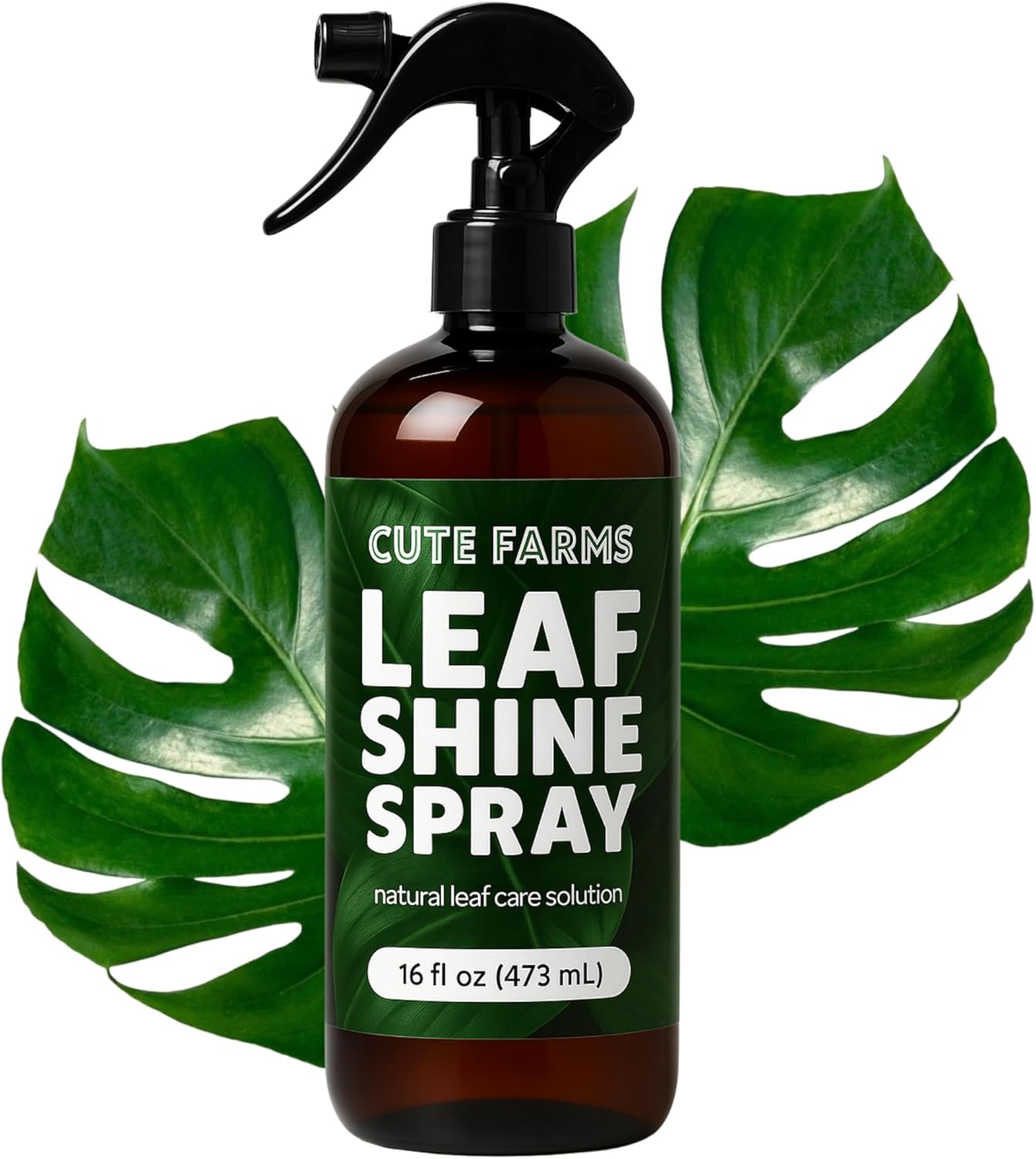
The Verdict: If you want your hydroponic herbs to look as healthy as they feel, this spray is the perfect low-effort way to maintain professional-level leaf clarity and shine.
The Buying Guide: What to Look For
Before you click “buy,” check these three factors to save your hydroponic system from a massive headache:
- Concentration Levels: Look for “Cold Pressed” neem. Heat-processed oils lose their insecticidal properties. A high concentration (usually 65-85%) means you use less per gallon.
- Ease of Mixing: Pure neem is an oil; water is… water. They don’t naturally mix. Ensure the product is either “emulsified” or be prepared to use a drop of organic castile soap to help it blend.
- pH Impact: Some sprays can be slightly acidic. If a lot of it drips into your reservoir, it can cause a pH crash. Always monitor your water levels after a heavy foliar application.
Expert Tip: Timing is Everything
Never spray your plants while your grow lights are at full power. The oil droplets act like tiny magnifying glasses, and your high-intensity LEDs will scorch the leaves in minutes. I’ve found the best time to apply is 15 minutes before the lights turn off. This gives the neem all night to work its magic in the dark, and by the time the lights come back on, the foliage is dry and the risk of “leaf burn” is gone.
FAQs
Will this affect my water PPM? If you cover your reservoir or net pots during spraying (which you should!), the impact on your PPM (Parts Per Million) will be zero. If a small amount drips in, it shouldn’t significantly change your nutrient concentration.
Is it safe for pets in the house? Pure organic neem is generally safe, but I always keep my pets out of the room until the spray has completely dried on the leaves to avoid any accidental ingestion or skin irritation.
Can I use this as a root drench? In soil? Yes. In hydro? I don’t recommend it. Floating oil in a reservoir is a recipe for root rot (Pythium) because it prevents the roots from taking in oxygen. Stick to foliar (leaf) spraying.
Does it kill “good” bugs? Since it’s a systemic disruptor, it targets sap-sucking pests. However, since you are growing indoors in a sterile environment, you shouldn’t have many “good” bugs anyway.
Conclusion
At the end of the day, no product can replace early detection and a sharp eye. Keep your canopy clean, check under your leaves twice a week, and stay consistent with your applications to keep your indoor garden thriving.