
Walking into your grow room and seeing spider mites spinning webs on your DWC lettuce is enough to make any gardener panic. In a Deep Water Culture setup, your plants’ roots are literally bathing in the nutrient solution, which means you have zero margin for error.
If a harsh chemical drips into that reservoir, it doesn’t just sit there—it gets pumped directly into the plant’s vascular system. Pyrethrin is a fantastic organic “knockdown” tool derived from chrysanthemums, but you have to pick the right formulation. Use the wrong one, and you’ll suffocate your roots or cause a massive pH crash that stunts your entire crop.
Selection Criteria
When you’re shopping for pyrethrins specifically for a DWC environment, keep these three things in mind:
- OMRI Listing: Look for the organic certification to ensure there aren’t hidden synthetic “boosters” like PBO (Piperonyl Butoxide) that can linger in your water.
- Concentration: Pure pyrethrin is potent. I prefer concentrates that allow me to control the dilution based on the severity of the bug problem.
- Residual Life: Since DWC is usually indoors, you want a product that breaks down quickly under light so it doesn’t leave a film on your equipment.
The Top 5 Products
1. Southside Plants Leaf Wipes: Targeted Cleaning Without Reservoir Risks
When you’re managing a high-performance DWC system, the last thing you want is a heavy oil spray drifting into your air stones or film forming on the water surface.
What caught my eye about these Southside Plants wipes is how they let you physically lift away dust and mineral spots without getting a drop of product where it doesn’t belong. The formula uses a gentle mix of neem and cinnamon oil, which acts as a fantastic natural deterrent while you’re cleaning.
In my setup, the real-world advantage is the thick, waffle-weave texture. Unlike paper towels that just smear grime around, these fibers actually grab the buildup.
A specific “pro” I appreciate is that they aren’t overly saturated; they leave just enough moisture to create a shine without clogging the leaf cells. They are particularly handy for getting into the tight nooks of large-leafed herbs where pests like to hide.
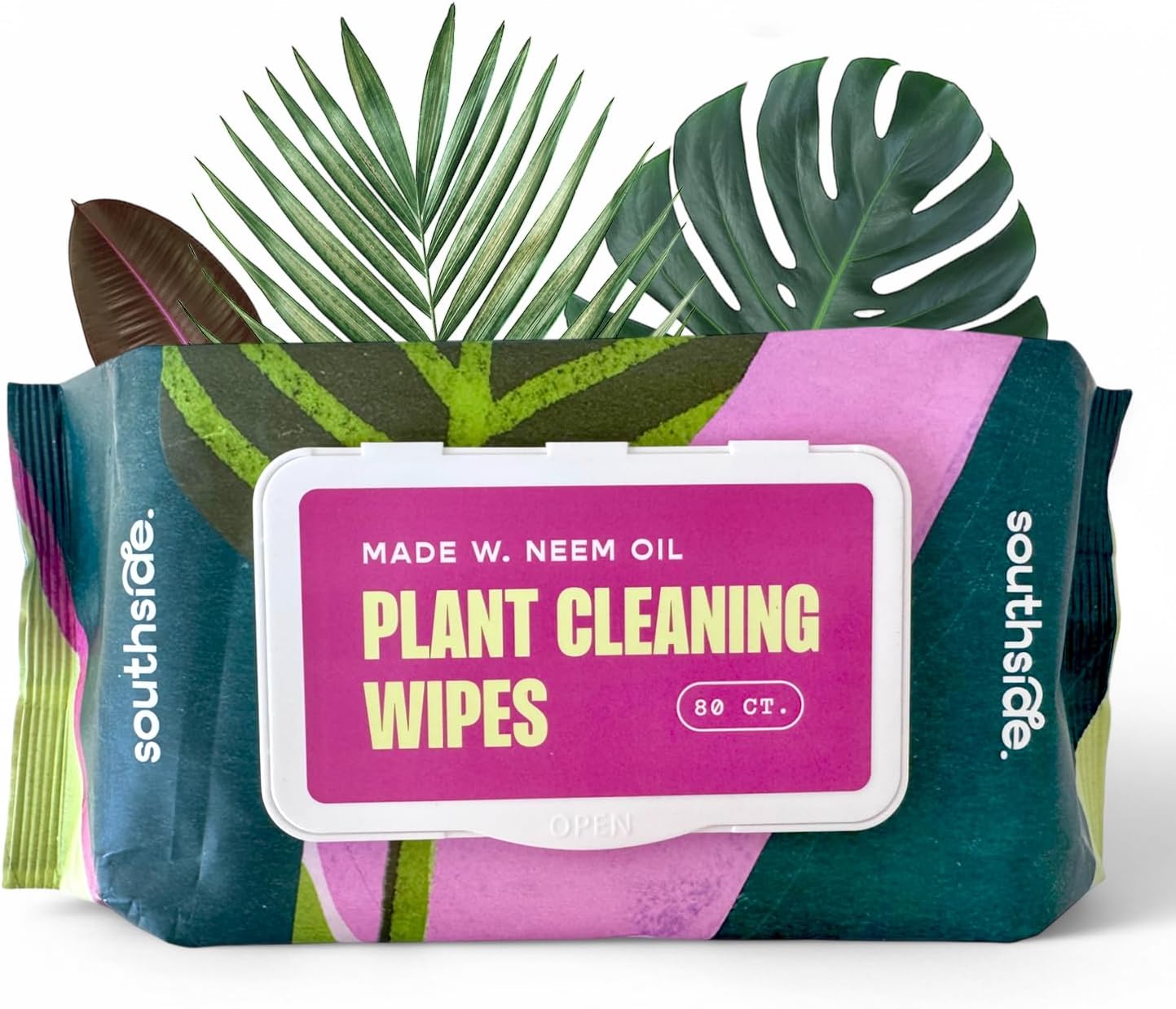
The Verdict: While they cost more than a standard spray, the precision and safety they offer for a sensitive hydroponic environment make them a essential maintenance tool.
2. The Green Alcove Botanical Kit: Aromatic Support for Clean Hydroponic Canopies
While fast-acting pyrethrins handle the heavy lifting of a sudden infestation, keeping your DWC canopy clean and repellent-ready is a constant job.
What caught my eye about The Green Alcove kit is that it’s a concentrate-based system designed to produce a massive 480 ounces of solution. In my setup, the real-world advantage is the included essential oil blend, which transforms the typical “neem smell” into something more like a fresh air freshener.
The kit helps you tackle issues like spider mites or that sticky white residue that often appears in high-humidity indoor tents. A specific pro that actual growers will appreciate is the reusable glass spray bottle.
It reduces plastic waste while providing a reliable mist that’s perfect for indoor herbs. Because you mix it fresh, you’re always applying a potent solution that helps your leaves photosynthesize at peak levels.

The Verdict: If you want a cost-effective, long-lasting botanical wash that smells incredible while keeping your hydroponic plants glossy and pest-free, this kit is worth every penny.
3. Celestial Psyche Pure Neem: The Raw Organic Shield for Hydroponic Foliage
Even when using fast-acting pyrethrins to handle a primary outbreak in your DWC system, having a pure, cold-pressed concentrate on hand is a game changer for long-term maintenance.
What caught my eye about Celestial Psyché is that it is 100% pure USDA organic oil with zero synthetic “nasties” or fragrances. This level of purity is vital for hydroponics, where you need to be absolutely certain that no chemical stabilizers are drifting into your nutrient-rich water.
In my setup, the real-world advantage is the dropper-bottle design. Because it’s a high-potency concentrate, you only need a few drops to emulsify a fresh batch of foliar spray.
The “pro” here is the raw efficacy; while the scent is unapologetically “earthy” and pungent, that’s exactly how you know the active azadirachtin hasn’t been stripped away.
It’s an aggressive, plant-derived option that helps keep the canopy resilient and clear of secondary pest issues.

The Verdict: If you want a high-grade, chemical-free oil to round out your integrated pest management strategy, this pure concentrate offers incredible potency for the price.
4. Mosquito Magician Lemongrass Spray: A Natural Barrier for Indoor Grow Spaces
In a high-humidity DWC setup, damp corners and reservoir runoff can quickly turn your grow room into a breeding ground for fungus gnats and mosquitoes.
What caught my eye about Mosquito Magician is its plant-sourced formula. While our primary focus is on pyrethrins for the plants themselves, this lemongrass-based spray serves as a fantastic “perimeter defense” for the rest of your indoor space.
The real-world advantage is its versatility; you can spray it directly on carpets, bedding, or around your rain barrels and reservoir stands without worrying about harsh chemical residues lingering in the air.
A specific pro I appreciate is the scent—it’s clean and fresh rather than medicinal, making those weekly maintenance sprays much more pleasant. It bridges the gap between treating the plants and securing the environment.

The Verdict: If you want a safe, non-toxic way to keep the area around your hydroponic system bug-free while maintaining a fresh-smelling home, this natural concentrate is a solid investment.
5. MAXGUARD Yellow Sticky Stakes: The Essential Early Warning System for DWC
Even with a potent pyrethrin spray in your arsenal, you can’t fight what you can’t see. In my setup, the real-world advantage of these MAXGUARD sticky traps is their role as an “early warning system.”
While pyrethrins handle the active infestation on your herbs, these industrial-grade adhesive stakes stay on guard 24/7 to catch adult fungus gnats and whiteflies before they can lay eggs in your root zone.
What caught my eye is the patented stake design. Unlike flimsy sheets that curl up in high-humidity grow tents, these are made of thick, rigid plastic that stands upright.
A specific “pro” any indoor grower will appreciate is how easily the protective paper peels off—no more accidentally gluing your fingers together while trying to set them up.
Because they are double-sided and toxin-free, they work perfectly alongside your liquid treatments to break the pest breeding cycle without adding more chemicals to your environment.

The Verdict: These are a mandatory companion for any DWC grower; they provide a low-cost, effective way to monitor pest levels and prove your spray treatments are actually working.
DWC Buying Guide: Protect Your Reservoir
The biggest threat to a DWC system isn’t the bugs; it’s the spray runoff. If pyrethrin gets into your reservoir, it can kill off the beneficial microbes you’ve worked hard to establish.
I always keep a stack of cheap plastic painter’s drop cloths nearby. Before I spray, I cut a slit in a small piece of plastic and slide it around the base of the plant, covering the net pot and the reservoir lid completely. This ensures every drop of pyrethrin stays on the leaves and off your roots.
Common Mistakes
- Ignoring the “Knockdown” Rule: Pyrethrin kills on contact. If you don’t hit the underside of the leaves where the mites hide, you’re just wasting product.
- Over-Spraying the Net Pots: I once got lazy and sprayed my peppers without covering the clay pebbles. The pyrethrin seeped down, and my pH dropped from 5.8 to 4.2 overnight. Always shield your media.
- Mixing Too Much at Once: Pyrethrin loses its punch fast once mixed with water. Only mix what you’re going to use in that specific session.
FAQs
Is it safe to use near LED grow lights? It is, but you should only spray when the lights are off or dimmed. Pyrethrins degrade rapidly in bright light, so spraying during the “day” cycle actually makes the product less effective and increases the risk of leaf burn.
Does it affect the water pH? Pyrethrin concentrates are often slightly acidic. If a significant amount drips into your DWC bucket, it will definitely tank your pH. Always double-check your reservoir levels after a treatment.
Can I use this as a root drench for fungus gnats? I wouldn’t recommend it for DWC. While it’s great for soil, putting pyrethrin directly into a water-culture reservoir can be too stressful for the sensitive root hairs. Stick to foliar application.
How long should I wait to harvest after spraying? One of the perks of pyrethrin is the short “Pre-Harvest Interval.” Most organic versions allow you to harvest just 24 hours after application, though I usually give it 48 hours and a good water rinse just to be safe.
Conclusion
Pyrethrin is the “heavy hitter” of the organic world, perfect for when neem oil just isn’t cutting it. Just remember that in a DWC system, the reservoir is the heart of your garden—keep it protected while you’re treating the leaves.